HollowBe there on launch day.
Your emailNotify me
Coming to Steam · Q4

DEMAND BEFORE DELIVERY
The list you build now is who you sell to on day one. Swipe Pages puts a coming soon page up this afternoon, with the email capture and the countdown already on it.
 4.8
4.8 174 reviews4.9
 176 reviews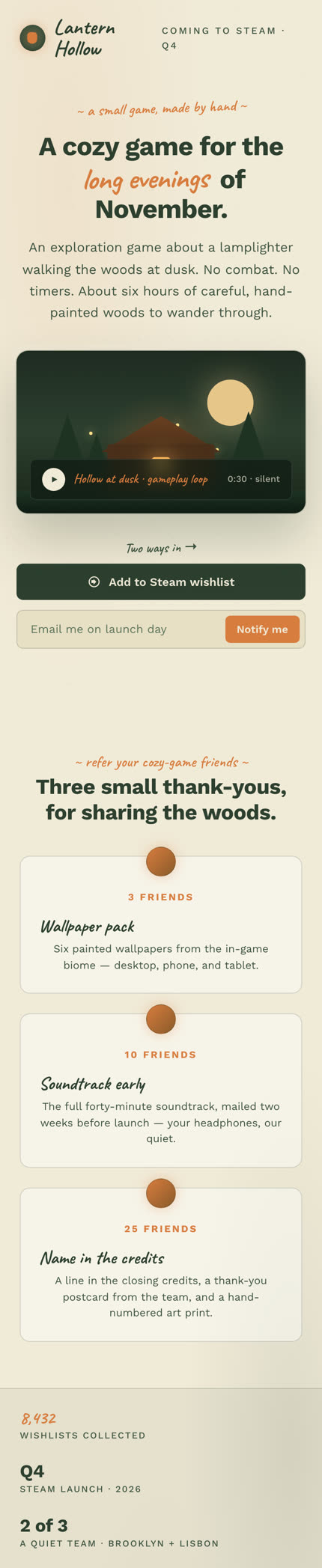
The problem
Somebody hears your name and types your domain in. They get a parking page, and you never get their email. Later you pay for ads to reach people who want you less.
A blank screen with a logo tells your first customers nothing about what you are building. Some decide you are too early, and you never hear from them again.
On launch morning you either write to a list you already have or you start paying for traffic. Every week your domain sits empty makes that list smaller.
The answer
You do not have photos of the product yet. A description of what is coming is enough.
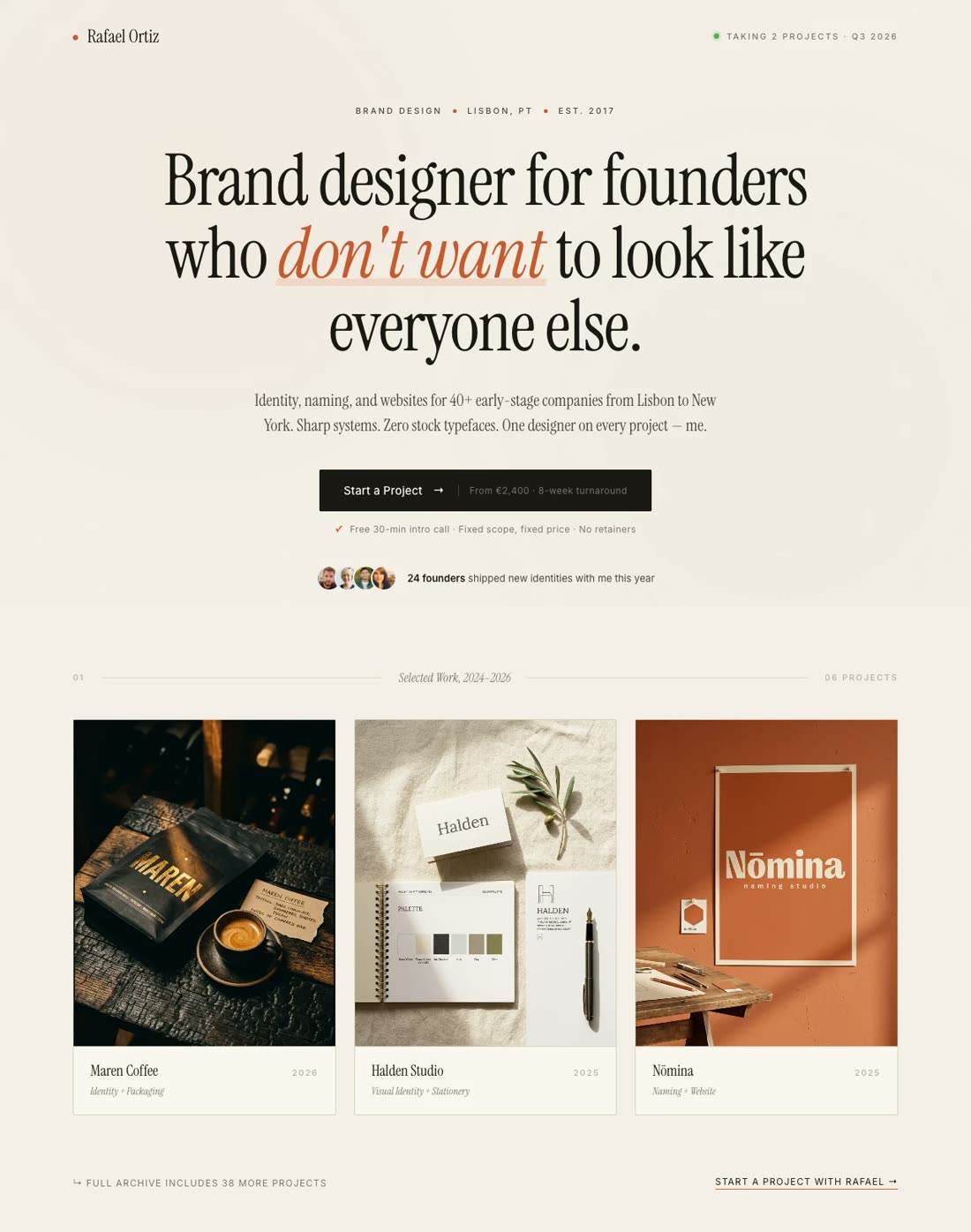
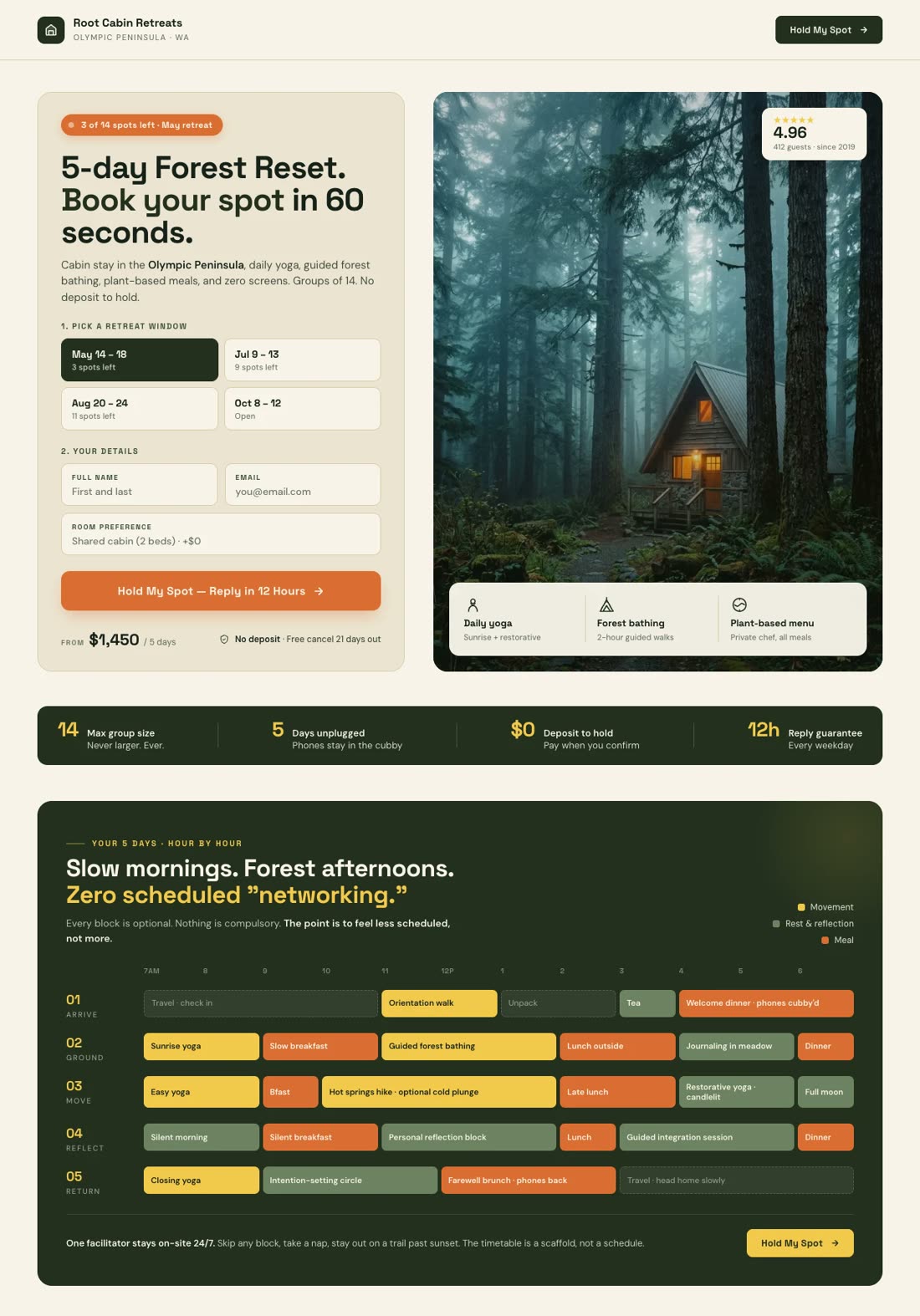
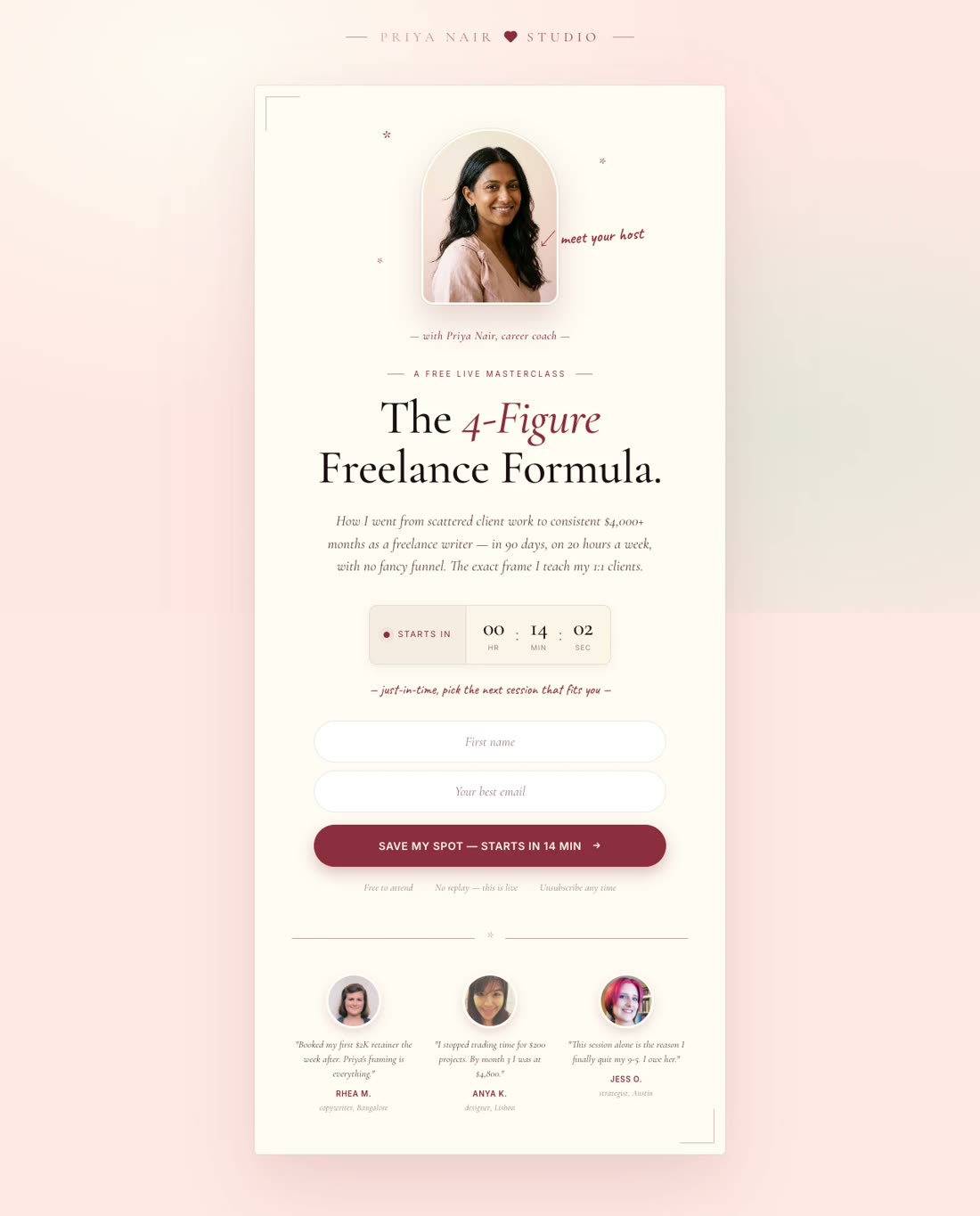
Build a waitlist landing page or an opening soon page from one description

AI Builder
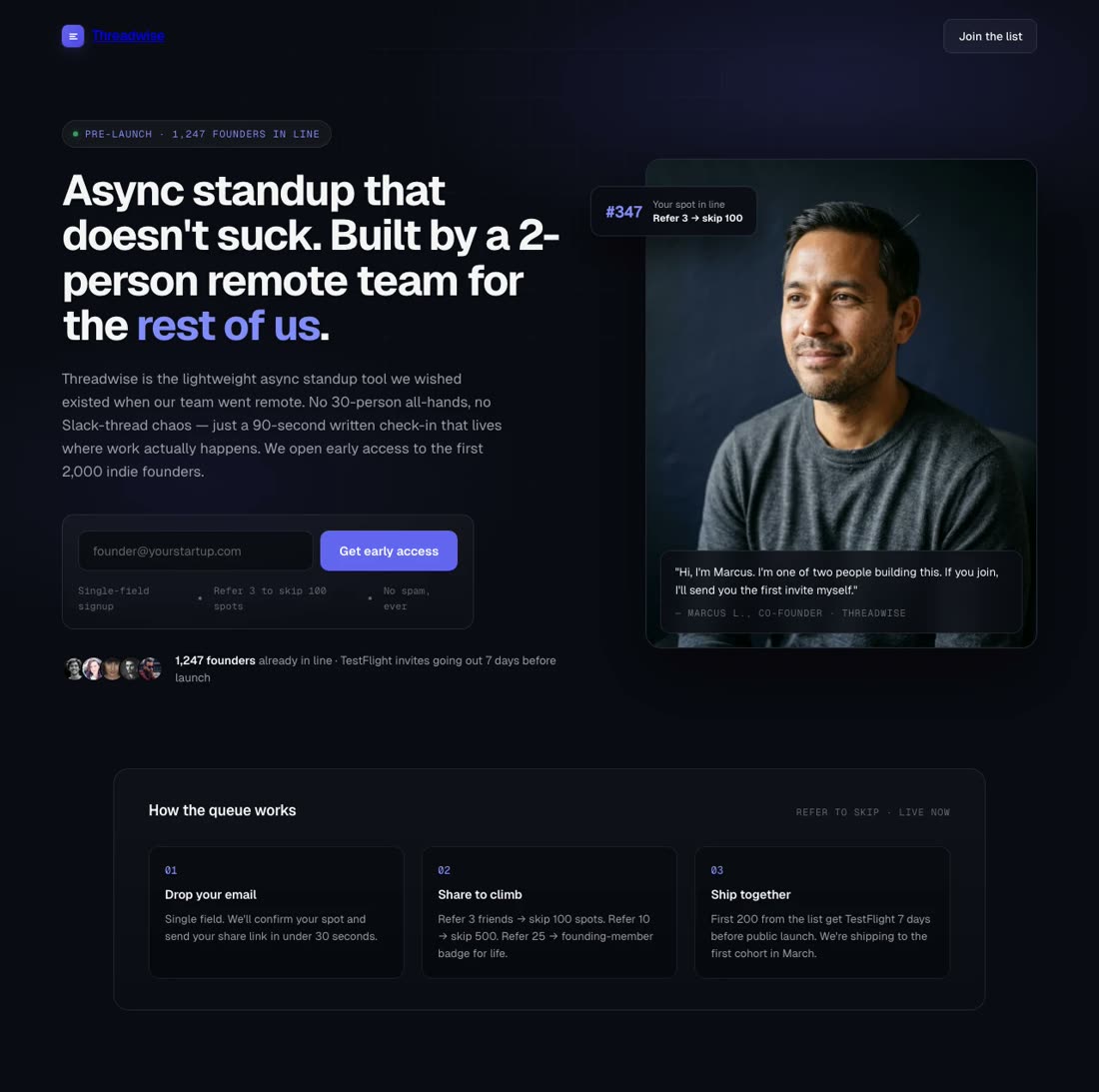
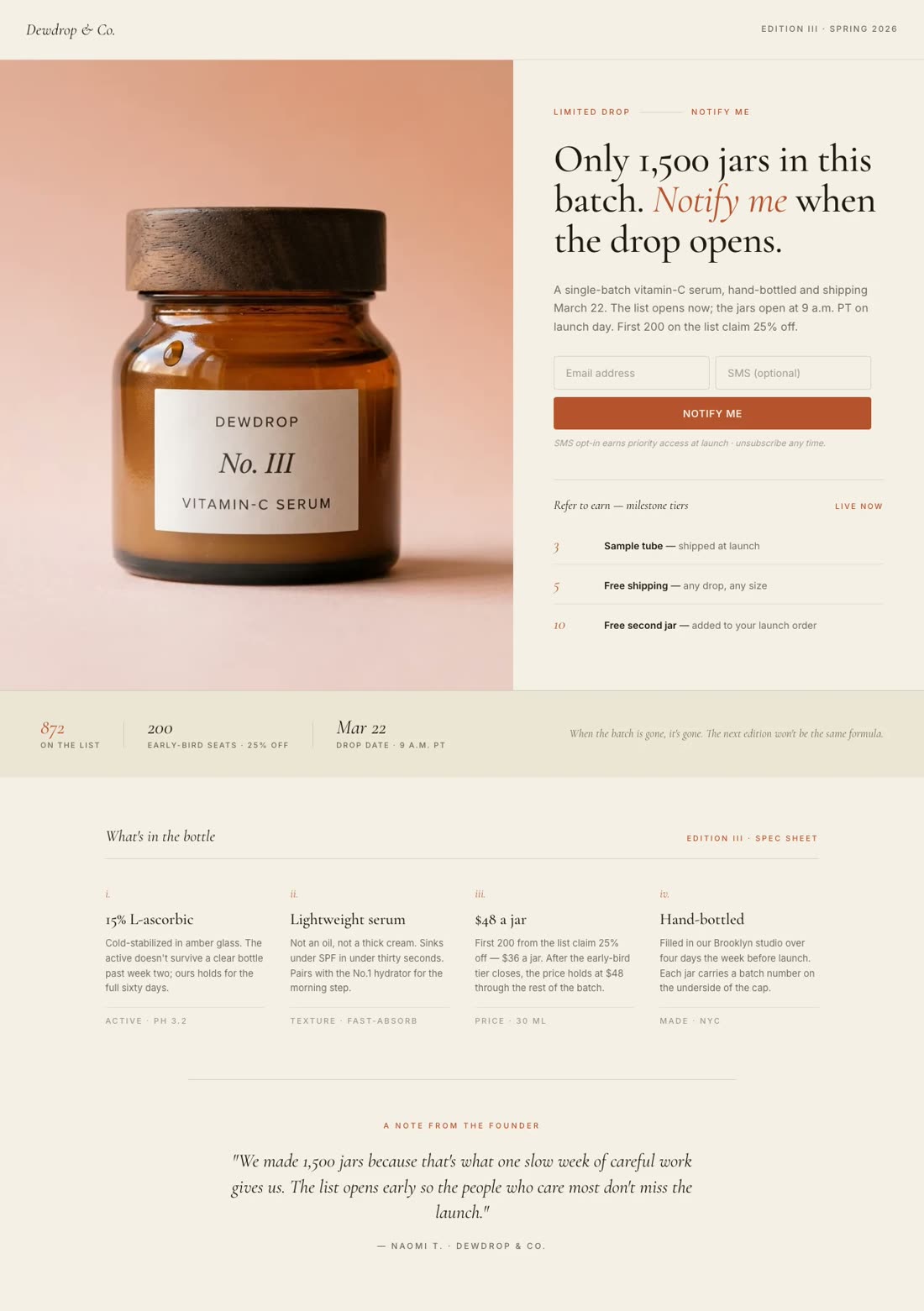
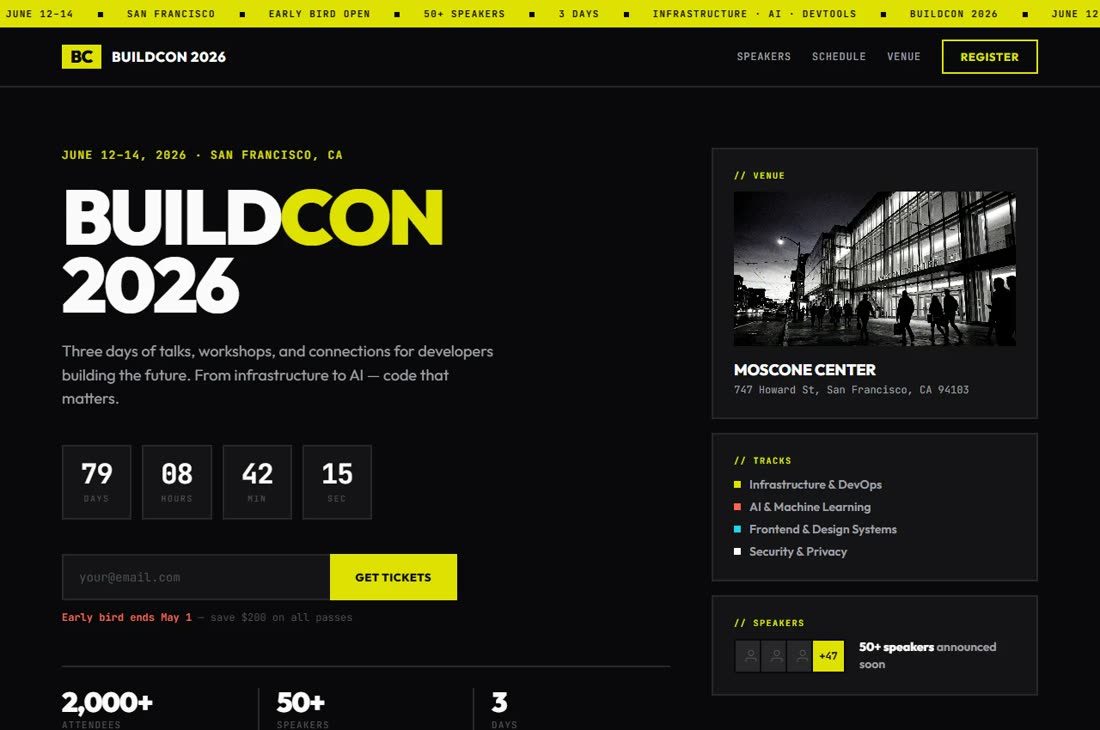
Tell Swipe Pages what you are launching. It builds the landing page, design and copy together, in your brand colors and fonts. The landing page that has been on your to-do list for two months goes live this afternoon.
Try Swipe Pages for FreeCountdown Timer
A launch date on the landing page tells people you are really shipping, and it is a reason to leave an email today instead of meaning to come back.
Your Brand
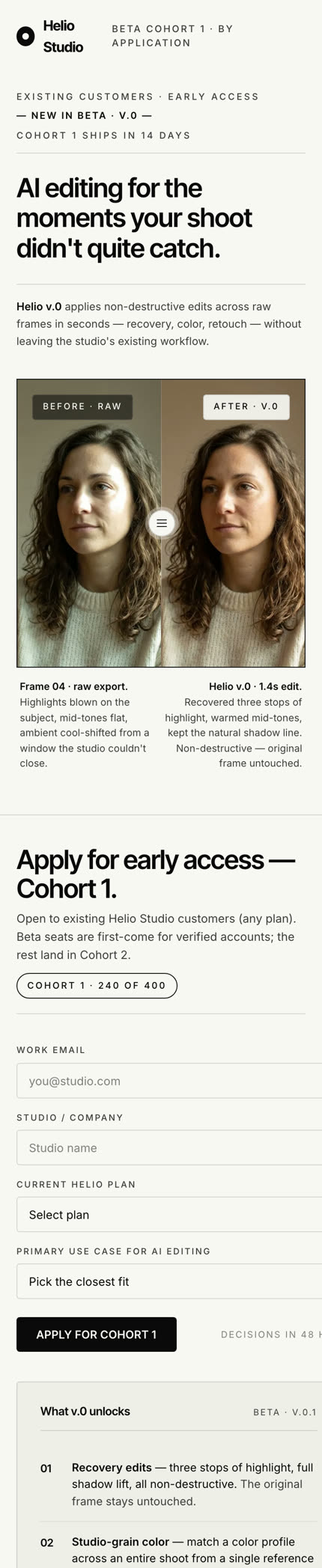
Point the AI Builder at any site you have and it takes your colors, fonts and images from there, and generates the images you do not have. People who look you up early see a company that already exists.
Page Speed
Before you launch, your traffic is a forwarded link or a click you paid for, and a slow landing page sends them back to the feed. Swipe Pages uses AMP technology to keep yours fast, so more of those clicks turn into leads.
Integrations
Every lead goes straight to HubSpot, Zoho, Mailchimp, ConvertKit, Constant Contact or Campaign Monitor, anywhere else through Zapier, and to your inbox. If you promise a file for signing up, Swipe Pages sends it the moment the form is submitted.
Try Swipe Pages for Free Mailchimp
 Kit
KitSplit Tests
If you are running ads before launch, run Split Tests on the headline and the offer and put the budget behind the version that brings more signups. The same ad spend fills the list faster.
Try Swipe Pages for FreeProof
4.8174 reviews4.9176 reviewsI recently discovered Swipe Pages, which has saved me so much time when creating landing pages. It is so easy to use, and I love how quickly I can customize and launch a new page.
When you need to spin up a quick page to show client, or to test if a project will work or not, it is very useful to have something like SwipePages that can do just that, in a matter of minutes, not hours!
Swipe Pages is the perfect landing page builder for any marketer looking to create optimized, mobile-friendly landing pages quickly. For us, this service saves a lot of time - allow you to build a landing in an hour and quickly test the hypothesis.
Instead of using wordpress to build landing pages I use Swipe Pages - this means I don't have a high technical load maintaining a wordpress site. Also I know pages coming out of Swipe Pages will load fast and I don't have to do anything for that to happen.
DFY Templates: these are excellent that help us customize the page as our own, and they are ready to go, the templates are elegant and responsive to industry-designed standards.
To make collaboration more accessible, we also provide access to client projects on their teams, where depending on a role, they can view progress, analytics or make changes.
FAQ
If you only want to stop your domain showing an error, it does the job. It will not put the emails into your email tool, and you cannot turn it into your launch page later.
The first collects a list while you build, by saying what is coming and asking for an email. A splash page sits in front of a website that already exists, usually to make one announcement.
Yes, for digital products and courses. You get a checkout with order bumps and upsells, and it takes payment through Stripe, PayPal and Razorpay.
AMP is a framework Google developed for building pages that load instantly on a phone. It later evolved into Bento AMP, so its parts and best practices can be used anywhere on a page rather than only on a full AMP page. Swipe Pages builds on those best practices. Images are sized and loaded the way the framework does it, CSS and JavaScript are compressed and kept small, fonts load without holding the page back, and 30+ optimization tasks run every time you publish. Pages built with the drag and drop builder can be published as AMP pages. Pages built by the AI Builder use the same best practices and are served from a CDN in 40+ locations.
Start a 14 day full featured trial. No Credit Card Required.